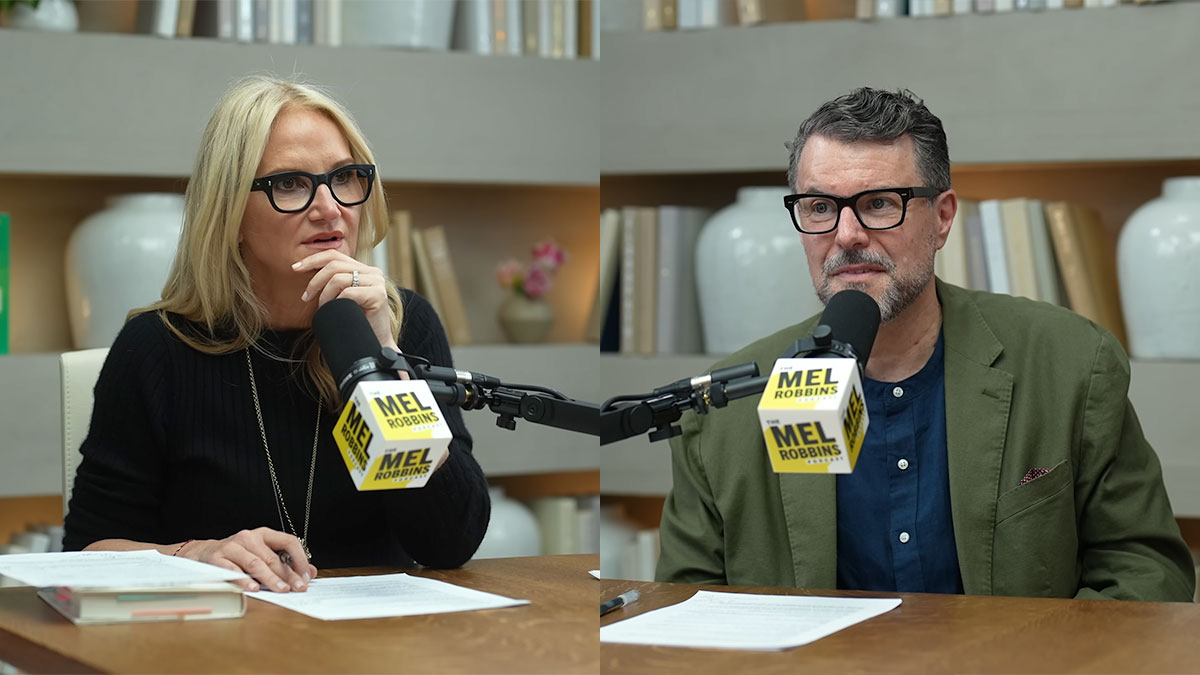
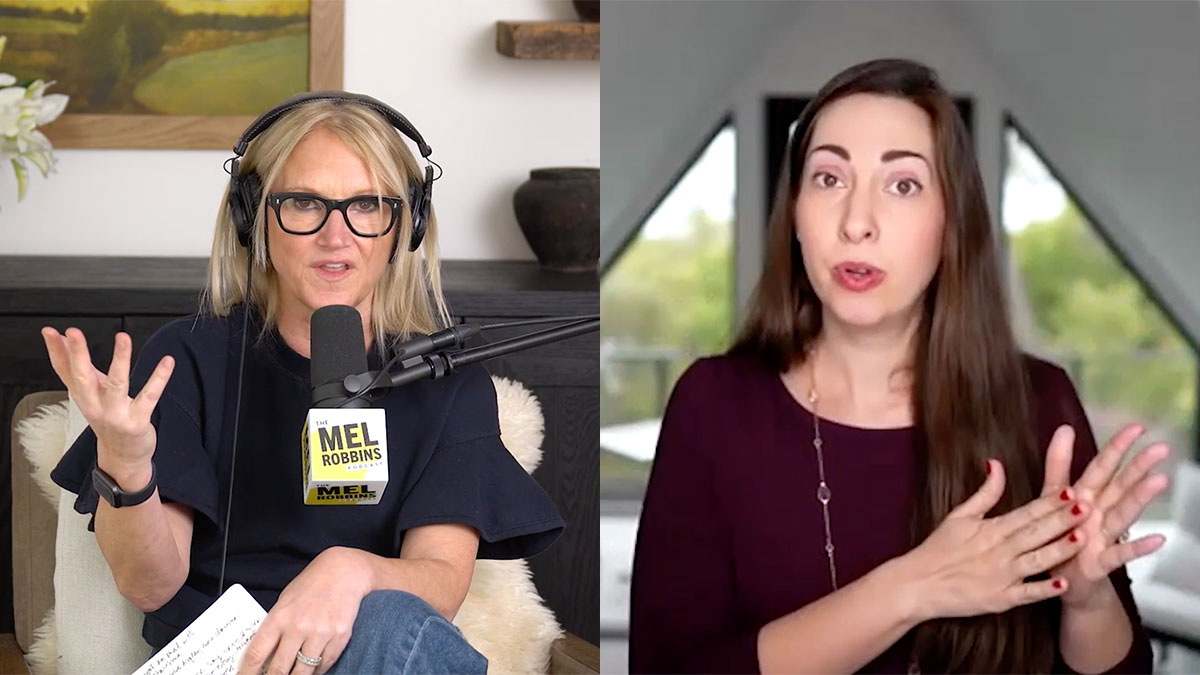
Episode: 438
Body Language Expert: 6 Psychological Tricks to Turn Awkwardness into Confidence
with Vanessa Van Edwards
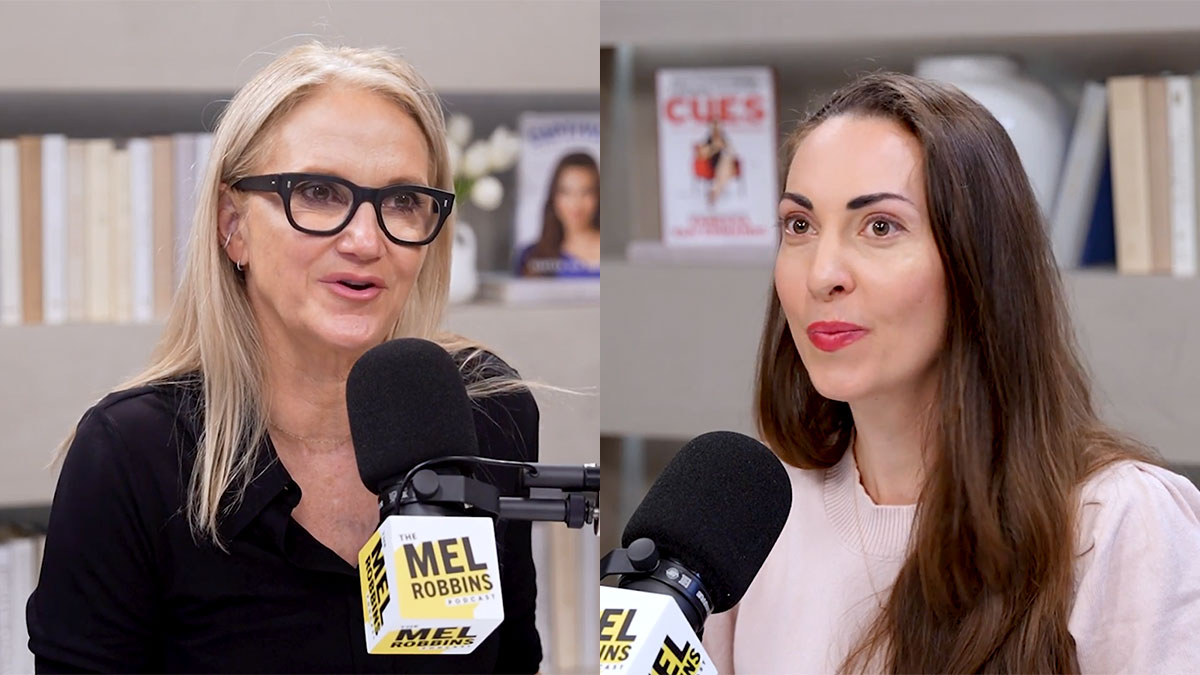
Do you want to know how to talk to anyone with ease and confidence?
In this episode, you will learn science-backed psychological tricks to be more successful, charismatic, and influential today.
Today, Mel is bringing back one of the most tactical and empowering conversations ever on The Mel Robbins Podcast, with a brand-new introduction and new insights for right now.
Vanessa Van Edwards is a behavioral researcher, bestselling author, and the founder of Science of People, a behavior lab that studies high achievers and the science of confidence, charisma, communication, and body language..
You’ll learn exactly what to do with your shoulders, your hands, your voice, and even where you stand in a room so you feel less awkward and more powerful.
Whether you want to become a better leader, make new friends, land the job, or simply feel more confident in the moments that matter, you’ll leave this episode with practical tools you can start using immediately.
Listen on:




You don’t have to say more. You just have to be more purposeful with what you say.
Vanessa Van Edwards
Share With a Friend
Guests Appearing in this Episode
Vanessa Van Edwards
Vanessa Van Edwards is a behavioral researcher, bestselling author, and teaches at Harvard University’s professional and executive development program.
Vanessa is the founder of Science of People, a behavior lab that studies high achievers and the science of confidence, charisma, communication, and body language.
-
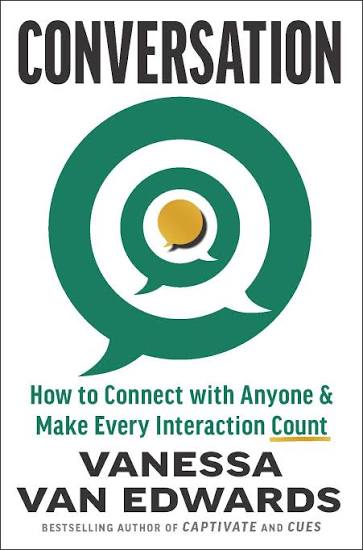
Conversation: How to Connect with Anyone & Make Every Interaction Count
Does the thought of small talk with strangers make you want to hide under the couch?
Do you crave close friendships but find yourself overanalyzing every social interaction afterward?
Do you want to be seen as confident, capable, and genuinely likable — without feeling fake or forced?
Are you tired of communication advice that makes you feel manipulative, rehearsed, or inauthentic?
If you feel like you were never taught the unspoken rules for how to interact with others, look no further. In Conversation, popular behavior researcher and bestselling people skills author Vanessa Van Edwards delivers a practical, science-backed playbook for transforming how you show up in any situation. Grounded in decades of research and written in clear, engaging language, Conversation gives you a powerful framework for mastering small talk, building instant rapport, and being the most memorable person in the room (in a good way!)
Resources
-
- Discover Vanessa’s full catalog of resources
- World Health Organization: Burn-out an "occupational phenomenon"
- American Psychological Association: Coping with stress at work
- American Psychological Association: Employers need to focus on workplace burnout: Here's why
- TIME: How Busyness Became the New Status Symbol
- Forbes: How To Master The Art Of Charismatic Communication, According To A Human Behavior Expert
- Greater Good Science Center: Five Ways to Be More Vulnerable and Authentic
- Harvard Business Review: What Is Active Listening?
- Greater Good Science Center: Small Talk
- Kellogg School of Management: Sitting Near a High-Performer Can Make You Better at Your Job
- Greater Good Science Center: How to Bring Your Whole Self to Work
- Science of People: People Skills Are a Science
- Science of People: Never be overlooked, underestimated, or misunderstood again.
- Perspectives on Psychological Science: Social Ambivalence and Disease
- Health Psychology: Social relationships and ambulatory blood pressure
- Personality and Social Psychology Bulletin: The name of the game: predictive power of reputations versus situational labels in determining prisoner's dilemma game moves
- PNAS: The spontaneous expression of pride and shame: Evidence for biologically innate nonverbal displays
- Psychological Bulletin: When do gestures communicate? A meta-analysis
- Psychiatry Research: Are emotions contagious?
- American Psychologist: Self-determination theory and the facilitation of intrinsic motivation, social development, and well-being